

Hydroseeding Surface Preparation
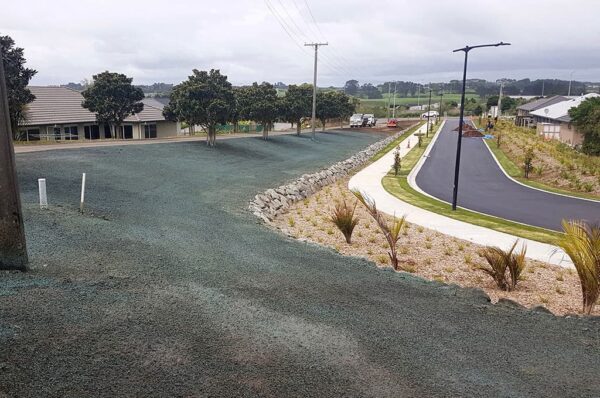
The ideal time to hydroseed is early autumn, when the ground is still warm, moisture levels are higher, and weed growth is minimal. These conditions help the seed establish strong roots, creating a healthy, resilient lawn that can handle dry, hot spells through spring and summer.
The ideal time to hydroseed is early autumn, when the ground is still warm, moisture levels are higher, and weed growth is minimal. These conditions help the seed establish strong roots, creating a healthy, resilient lawn that can handle dry, hot spells through spring and summer.
Hydroseeding can also be carried out in spring. While lawns usually establish quickly at this time of year, they may struggle during summer due to shallower root growth and increased competition from summer weeds and grasses. Additional watering and monitoring may be required to support successful establishment through warmer conditions.
Before hydroseeding, it’s important to address any existing lawn issues, such as poor soil conditions or drainage concerns, and ensure the site is properly prepared. Good preparation provides a smooth finish and gives your new lawn the best chance to establish successfully and grow evenly long term.
Surface Preparation
Good preparation is the key to a great lawn. The time you spend getting the surface right will directly affect how well your new lawn establishes and how it looks long-term. If you’d prefer to leave it to us, we can handle all site preparation on your behalf – otherwise, here’s how to prepare the soil yourself.
Remove existing vegetation and clear the site
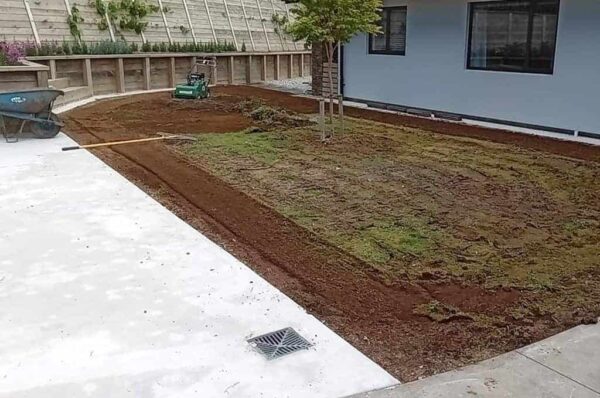
Spray out weeds and unwanted vegetation using a non-residual herbicide. For established lawns, remove old turf with a turf cutter to create a clean base.
Clear debris and cultivate the soil
Remove sticks, stones, weeds, and old grass, then cultivate the soil to a depth of about 100mm using a rotary hoe or by digging. Lightly compact the soil by rolling or tramping.
Level the site
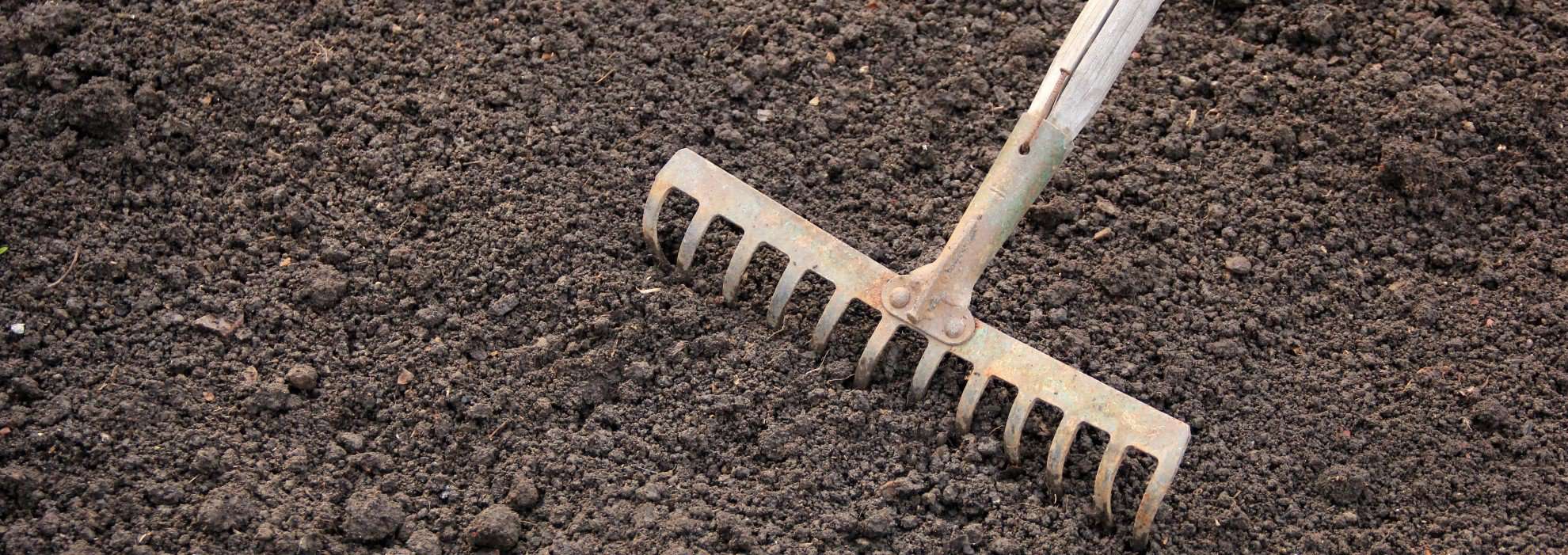
Rake the soil carefully to level the site, maintaining at least 100mm of topsoil, and adjusting levels so the surface sits flush with paths and driveways. Avoid exposing subsoil, which is low in nutrients and can result in uneven colour and growth.
Prepare the seedbed
Finish by raking the area to create a smooth, even and firm seedbed, ready for hydroseeding.
The finished surface should be firm enough to walk on, leaving only a faint footprint. Taking the time to prepare the soil correctly will help ensure strong, even and healthy lawn establishment.