
Hydroseeding After Care
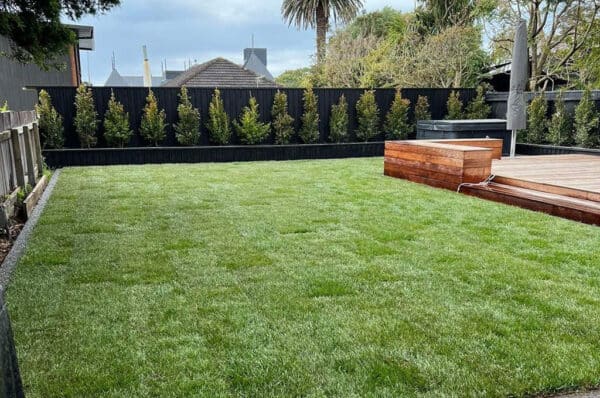
Once your lawn has been hydroseeded, the first few weeks are important for successful germination and establishment. Following these simple after-care recommendations will give your new lawn the best possible start.
To care for your new lawn, follow the instructions outlined below and if you need any advice, our team is always happy to help.
Aftercare Instructions
To help your new lawn establish successfully, we recommend keeping foot traffic to a minimum for the first two weeks after installation.
Watering
Do not water on the first day after hydroseeding, as this can disturb the seed mulch.
From the second day, begin watering and keep the seedbed consistently moist while the seed establishes. It is important that the surface does not dry out during this time, as this can interrupt the germination process.
Always water using a fine spray to avoid disturbing the seed. Pay particular attention around concrete areas, as these can draw moisture away from the surrounding seedbed.
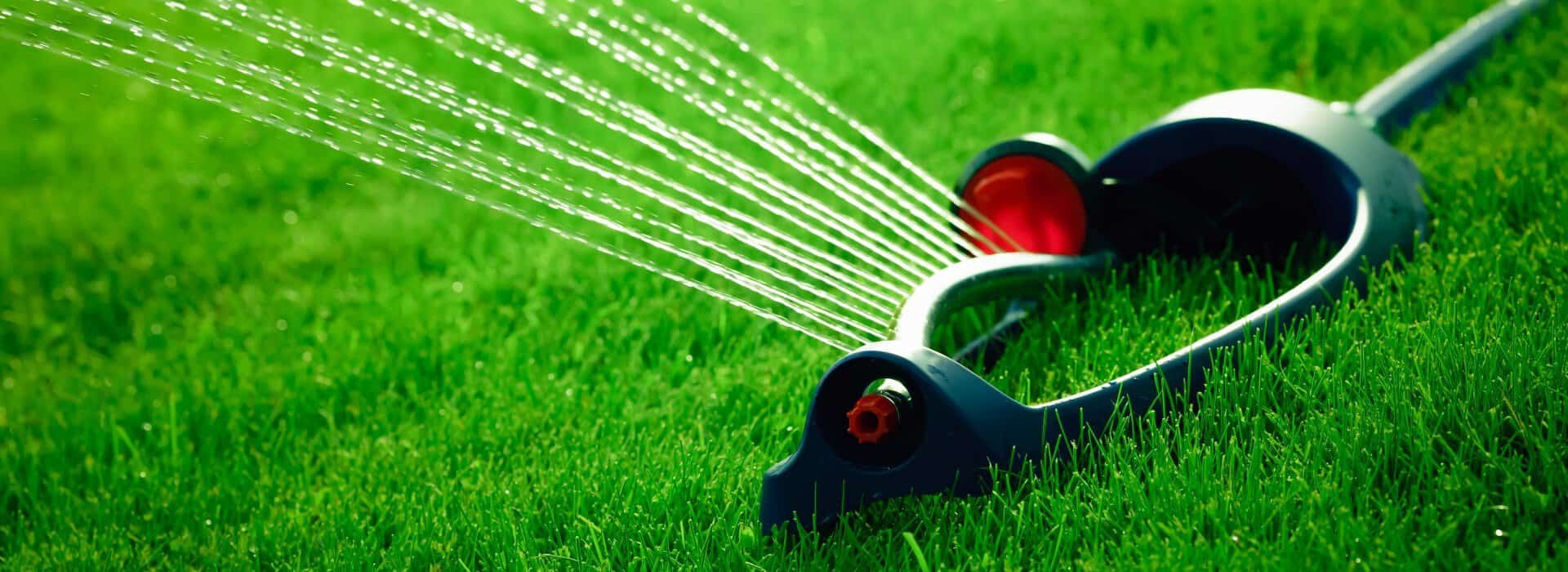
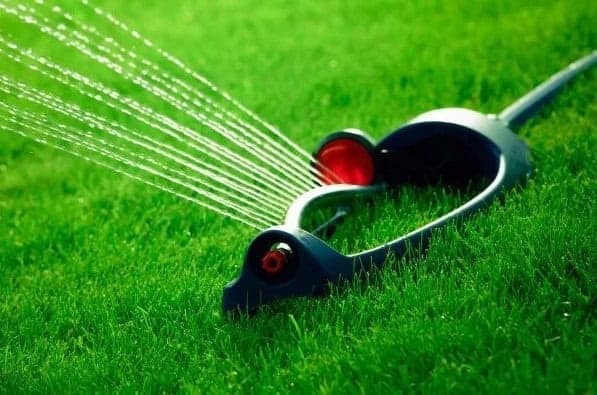
Oscillating sprinklers are recommended as they generally cause less disturbance to the seedbed. Rotating sprinklers can displace seed and should be avoided during the initial establishment period. We strongly recommend using a tap timer to help control the amount of water being applied. Too much water can cause pooling and run-off, which can wash seed away and result in bare areas.
Once the grass reaches approximately 40–50mm, watering can gradually be reduced to every 3–7 days in warmer months. In cooler weather, watering requirements will naturally decrease.
Mowing
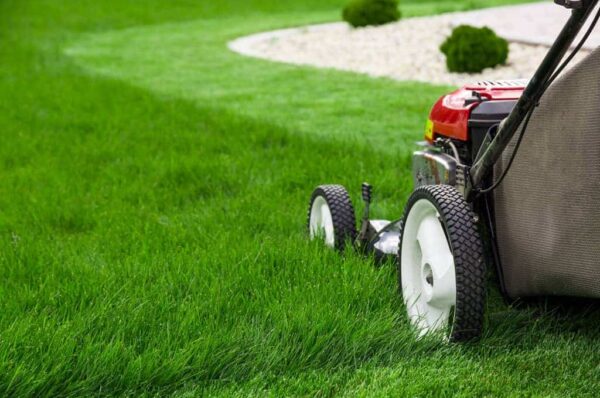
Correct mowing helps your lawn establish and encourages healthy, dense growth. Always use sharp mower blades and use a catcher for best results.
Fine Lawn Blend (Dwarf Rye / Fine Fescue)
The first mowing should take place when the grass reaches approximately 40–50mm. Trim lightly and gradually lower the mower height over the following few weeks to reach an ideal cutting height of 25–30mm. Mow regularly and avoid removing more than one-third of the grass height at any one time. Regular mowing encourages denser growth and helps your lawn establish more quickly.
Tall Fescue
Mow Tall Fescue when it reaches approximately 60–70mm. Initially, use the highest setting on your mower and maintain a higher mowing height. Mowing too short can place the grass under stress, resulting in thinning and a weaker lawn. During periods of rapid summer growth, regular mowing will encourage a dense lawn. In periods of slower growth, such as winter, mowing frequency can be reduced.
Ultimate Tall Fescue
Mow Ultimate Tall Fescue when it reaches approximately 60–70mm. Begin with a light trim and gradually lower the mowing height over the following few weeks to your desired level. Ultimate Tall Fescue offers excellent mowing versatility and can be maintained from approximately 13mm to 75mm. For a dense, healthy lawn, however, maintaining it at a longer height and reducing mowing frequency during periods of heat, drought or slower winter growth can be beneficial.
Fertilising
The mulch applied during hydroseeding contains a starter fertiliser to support germination and early growth.
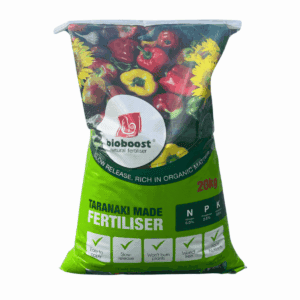
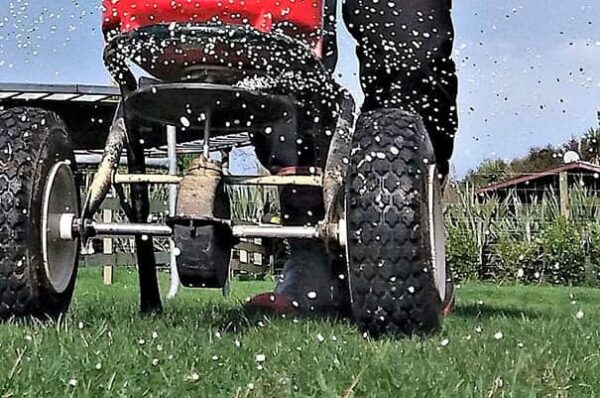
After approximately 4–6 weeks, apply a quality slow-release lawn fertiliser to provide the nutrients your developing lawn needs. Once established, regular fertilising will help maintain healthy, vigorous growth and a vibrant green lawn.
We recommend using a fertiliser spreader to ensure even application and always following the product instructions carefully.
View our range of professional lawn fertilisers available for purchase.
Weed Control
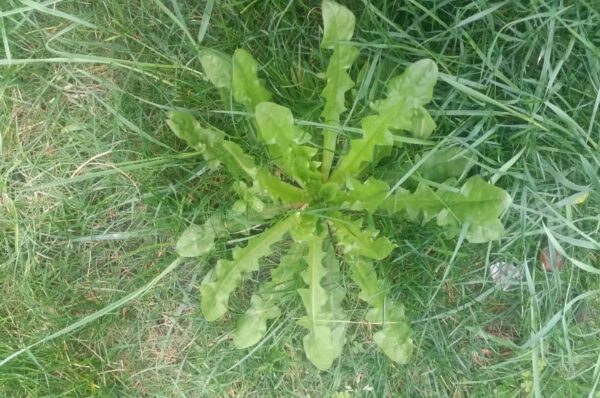
Weeds can appear as your new lawn establishes. They may come from dormant seeds already present in the soil or be introduced by wind, birds, or lawnmowers.
Take care when applying weed control products to a newly seeded lawn, as many products are not suitable for young grass. Weed control should only be carried out using products that are safe for the grass variety and stage of establishment.
Once your lawn is established and actively growing, selective weed control can be used where appropriate. Avoid spraying during drought or other periods of significant stress, as weed control can be less effective and may place additional stress on the lawn.
For ongoing weed control, view our lawn care guide to identify common broadleaf and grass weeds and find the most suitable control products for your lawn.
Need a lawn maintenance programme?
Our expert team can help.
Shop our range
Create a lush, green lawn with our premium range of lawn care products. From weed control to fertilisers, we offer proven solutions to keep your turf healthy and vibrant all year round. Shop now and find the right products for your lawn.